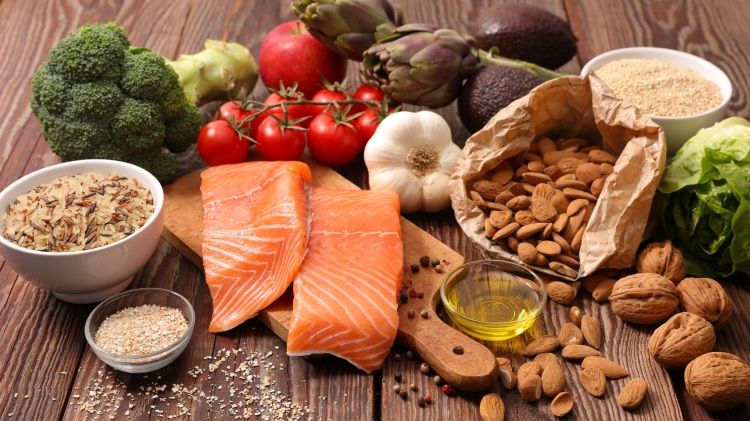
If you've been diagnosed with Chronic Kidney Disease (CKD), maintaining a kidney-friendly diet plays a central role in protecting your overall health. While dietary restrictions can feel limiting, they don’t have to mean giving up restaurant meals altogether. With preparation, awareness, and a few smart substitutions, you can still enjoy dining out while supporting your kidney function.
This guide outlines practical strategies for planning ahead, ordering wisely, and practicing mindful eating so you can balance health and enjoyment at the table.
Understanding the Healthy Kidney Diet
CKD affects your kidneys’ ability to filter waste and maintain proper fluid and electrolyte balance. Depending on the stage of your condition, you may need to monitor certain nutrients based on your lab results, including:
- Sodium, to help control blood pressure and reduce fluid retention
- Potassium, to prevent dangerous heart rhythm changes
- Phosphorus, processed foods and additives with phosphorus can build up in the blood and affect bone and heart health
- Protein, since excess waste from protein metabolism can strain the kidneys
- Fluids, particularly for individuals on dialysis
Dietary recommendations may change over time, depending on lab values, treatment plan, and overall health status. For individuals undergoing dialysis, controlling fluid intake between treatments is especially important, as reduced urine output can lead to fluid buildup that affects the heart and lungs.
To navigate these dietary adjustments effectively, seek guidance from your healthcare provider, who can refer you to a registered dietitian specializing in kidney diets. 1
Planning Ahead for Eating Out
Dining out with CKD is much easier when you prepare in advance.
Earlier in the day, consider moderating foods that may be higher in sodium or potassium based on your individual needs, which can provide more flexibility when dining out. When managing phosphorus, focus on limiting processed foods that contain phosphorus additives. If you take phosphate binders, remember to bring them with you.
Before choosing a restaurant, review menus online when possible. Many chain establishments publish nutrition information, which can help you estimate sodium and portion sizes. Look for places that offer grilled, baked, or made-to-order options rather than heavily processed or pre-assembled dishes.
If you are not selecting the restaurant, communicate your needs to family and friends in advance. A simple explanation that people with kidney disease need to monitor sodium, potassium, or fluid intake can help them understand your choices and reduce stress at the table.
When in doubt, ask questions. Restaurants are accustomed to accommodating dietary preferences, and most are willing to make simple adjustments.
Ordering Your Meal
When reviewing the menu, focus on simple preparations and individual food items rather than combination dishes.
Avoid stews, casseroles, quiches, pot pies, and mixed pasta dishes, which often contain hidden sodium, phosphorus additives from processed ingredients, and high-potassium ingredients. Instead, look for straightforward meals like grilled chicken, baked fish, or lean pork served with rice and vegetables.
When placing your order:
- Request no added salt or MSG
- Ask for sauces, gravies, and dressings on the side
- Skip cheese and cured meats when possible
- Inquire about preparation methods
Choose proteins that are baked, grilled, steamed, or poached instead of fried or heavily barbecued. Barbecue sauces and marinades are often high in sodium and sugar, and frying adds unnecessary fat.
For side dishes, rice, pasta, noodles, and bread are typically lower in potassium than roasted potatoes, fries, or chips, which may be beneficial for those who need to limit potassium based on lab results. When selecting vegetables, opt for lower-potassium options such as green beans, carrots, zucchini, or cabbage instead of spinach, tomatoes, or large portions of potatoes.
For protein, prioritize muscle meats like chicken breast, turkey, pork loin, or fish. Protein needs can vary, especially for individuals on dialysis who may require higher intake, so it’s important to follow personalized recommendations.
Clear communication with your server can make a meaningful difference in keeping your meal aligned with your dietary goals.
Smart Substitutions
Strategic substitutions allow you to enjoy variety while managing key nutrients, such as sodium and potassium, based on individual needs.
Breakfast
Breakfast menus can be surprisingly manageable with a few swaps:
- Choose egg scrambles or omelets with lower-potassium vegetables like mushrooms, onions, or squash, and skip sausage, bacon, or cheese.
- Opt for toast, bagels, English muffins, or croissants over bran muffins or whole-grain cereals containing nuts and seeds.
- Select pancakes, waffles, or French toast instead of home fries or hash browns.
- Use jelly, jam, honey, or imitation maple syrup rather than real maple syrup.
- Fruits like apples or applesauce may be lower in potassium than citrus options, which can be helpful for individuals managing elevated potassium levels.
These small changes help reduce potassium intake while limiting processed foods with added phosphorus, without sacrificing flavor.
Main Courses
At lunch or dinner, focus on balance and simplicity:
- Grilled chicken with rice and green beans is typically a better option than chicken pot pie.
- Baked tilapia or grilled salmon is preferable to fried fish or ribs with barbecue sauce.
- A turkey sandwich on white or sourdough bread may be a better choice than one loaded with processed meats and cheese.
- Use olive oil and vinegar or fresh lemon juice instead of creamy bottled dressings.
Flavor foods with herbs, garlic, pepper, lemon, or vinegar rather than adding extra salt or sugary sauces.
These substitutions make meals both satisfying and supportive of kidney health.
Mindful Eating with Kidney Disease
Portion control is just as important as food selection. Restaurant servings are often larger than necessary, so consider:
- Asking about portion sizes before ordering
- Skipping unnecessary sides or add-ons
- Sharing an entrée with someone else
- Taking half of the meal home
Avoid mindlessly snacking on bread or appetizers before your meal arrives. Using the 20-minute rule — waiting 20 minutes before deciding on seconds or dessert — can help prevent overeating.
Fluid intake may require careful monitoring, particularly for individuals on dialysis or those with reduced urine output. Follow your provider’s daily fluid recommendations and remember that beverages, soups, ice, and even certain fruits contribute to total fluid intake. Water is generally the best choice, while caffeinated, sweetened, and alcoholic beverages may increase thirst and fluid demands.
Enjoy Dining Out with Confidence
Living with CKD requires thoughtful dietary decisions, but it does not mean eliminating the pleasure of eating out. With preparation, clear communication, and good choices, you can navigate restaurant menus confidently while protecting your kidney health.
Always consult your healthcare provider or renal dietitian for individualized guidance based on your stage of CKD, lab results, and treatment plan. With the right strategies in place, dining out can remain an enjoyable part of your lifestyle.